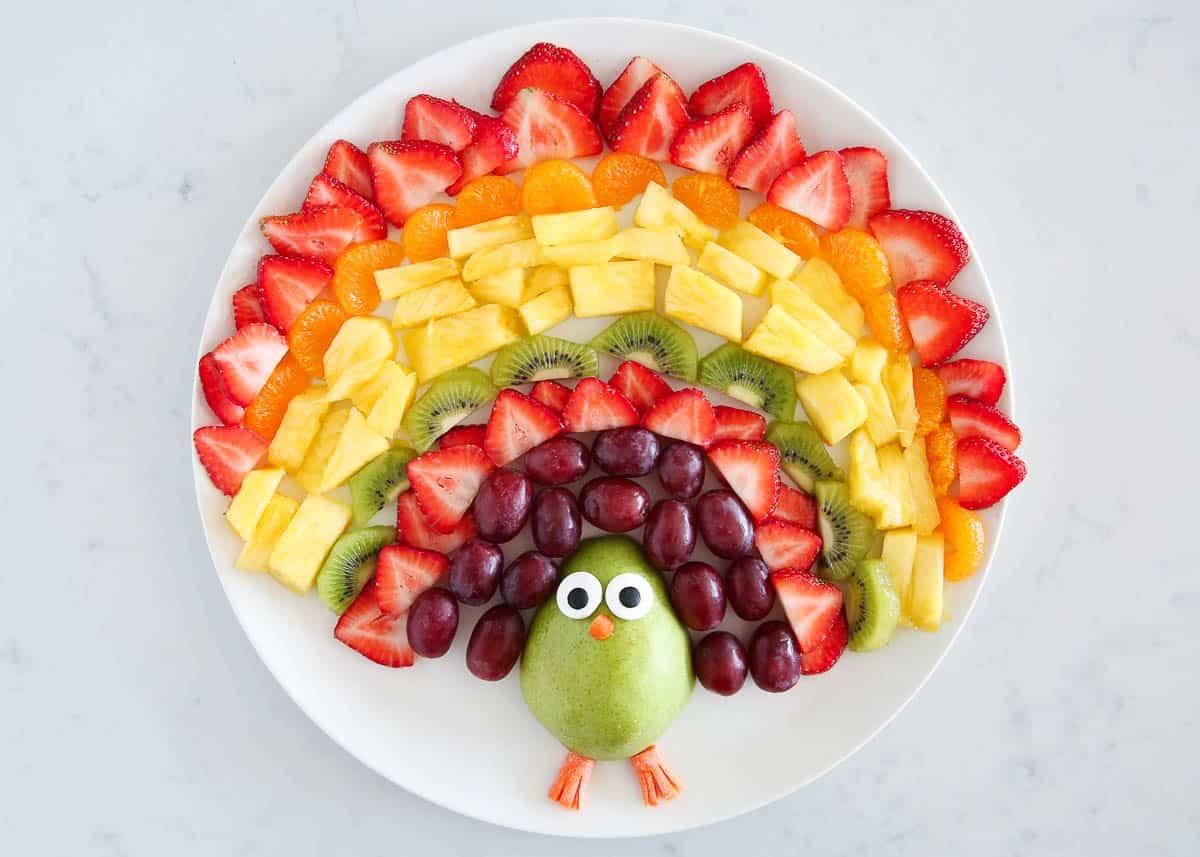
Happy Monday everyone. We interrupt our usual programming (about 16-centimeter tumors and the urgent need for autopsies to get to the bottom of the spate of sudden deaths) to talk about healthy desserts.
Healthy desserts? Isn’t that an oxymoron? Aren’t desserts supposed to be decadent and bad for you?
After all, if a dessert is healthy, why even bother?
I’m glad you asked.
Growing up on Froot Loops
Like most Americans growing up in the 1970s and 80s, I ate toaster pastries and brightly colored sugar-laden cereal for breakfast every morning and pre-made packaged spaghetti (the kind that is so mushy it keeps its shape when you shake it out of the can) for lunch. Candy bars made a great pick-me-up. My dad downed Oreo cookies in the middle of the night when he couldn’t sleep. My mom loved “juice” that listed high fructose corn syrup as the first ingredient.
I really didn’t know anything about healthy eating until I got pregnant for the first time. I felt so nauseous. This “morning” sickness was always worse in the afternoons and evenings.
For the first time in my life, even thinking about sweets made me sick. I lost a lot of weight in the first trimester.
My husband’s always been a foodie, but learning about healthy eating has been a journey. During that pregnancy, we both educated ourselves about nutrition, and we started making changes to our diet.
Our goal was to feed our children nourishing, wholesome, delicious foods. That sounds so simple. But, honestly, it wasn’t.
Defining Healthy Eating
We Americans tend to fill our dinner plates and our stomachs with empty calories: junk food, fast food, and sweetened beverages that give us calories but little else. That’s why smart nutritionists refer to the Standard American Diet as “SAD.”
Healthy foods, on the other hand, contain vitamins and nutrients that give our cells energy without causing wild spikes in blood sugar, joint pain, and inflammation. In other words, good food nourishes the body (as well as the spirit and the senses) without making you feel gross a few hours later.
Here’s the problem: Most conventional desserts are made up of refined sugar, highly processed flour, and other unhealthy ingredients (like hydrogenated fats, food dyes, emulsifiers, and mold inhibitors). These foods, especially sugar, have been linked to everything from heart disease to obesity to cancer.
Dessert Shouldn’t Make You Sick
A good dessert leaves you feeling satisfied without feeling sick. It is something that you savor rather than devour.
Looks Matter
We humans are visual creatures and what we see affects how we eat. In fact, a 2014 study published in the international research journal Appetite, found that how food looks can have a significant effect on our food choices.
It makes sense that attractively arranged food is more appealing than the same food arranged in a less attractive manner. But it turns out that we also believe that the exact same food, when attractively presented, tastes better and is more pleasing to eat.
“How attractively food is plated can affect liking for the flavor of the food and could be used to increase acceptance of ‘healthy’ foods,” the Appetite researchers concluded.
My friend Katy Colson, who splits her time between St. Louis, Missouri and Ashland, Oregon, trained in classical French cuisine. In 1995, she earned a degree from the Natural Gourmet Institute in Manhattan. Katy has mastered the art of arranging food in a way that makes it as pleasing to look at as it is to eat. When she hosts dinner parties, she sets a big bowl of organically grown ripe fruit in the center of the table. After dinner, her guests can choose peaches or figs to slice up on their dessert plates, or serve themselves from a big bowl of washed strawberries, complete with stems and offered with a choice of freshly whipped cream or plain yogurt.
“I like to keep dessert so simple and beautiful,” she told me, adding that she likes to feel good after she eats, not just full. “Eating fruit at the end of a meal, perhaps with a little chocolate and some nuts, while we finish up our wine, feels amazing to me.”
Everything in Moderation
However, according to a 2019 study, when people picked an indulgent dessert at the beginning of a meal, it had a positive impact on the rest of their food choices.
This interesting research, published in the Journal of Experimental Psychology: Applied, found that nearly 70 percent of participants who chose the calorie-dense dessert option (lemon cheesecake) before deciding on their main course, went on to choose a healthier main dish and side dish.
Longevity research is enormously complex. Parsing out cause and effect as to what helps humans lead the longest, healthiest, and most vibrant lives is the subject of ongoing debate.
However, one thing most researchers agree on is that, when it comes to food, eating less can help you live longer. Indeed, studies in rats, monkeys, and people have all shown that a restricted calorie diet can reverse the decline that comes with aging.
Fasting, too, seems to confer many health benefits, including increasing your life span.
What does this mean for dessert choices?
One of the main issues in the way Westerners eat dessert may be quantity not quality. So one way to be healthier and also to indulge in the decadent dessert of your choice is to decrease how much you eat. That means eating just half a piece of that sumptuous chocolate cake or delicious tiramisu.
Katy, who’s in her mid-sixties and spends at least an hour walking or running with her dogs every day, saysthat when she does have a craving for a sugary treat, like a candy bar or a bowl of ice cream, she limits how much she eats.
She cuts the candy bars into smaller pieces to eat slowly, piece by piece, and serves herself ice cream in a small bowl, which helps her trick herself into feeling satisfied without over-eating.
Serving food on smaller plates and in smaller bowls is a tip that longevity researcher and journalist Dan Buettner, author of “The Blue Zones,” also recommends for anyone trying to get into the habit of eating less and in a healthier way.
I’ve found this advice helpful in my own journey to reach a more optimal weight.
Healthy Substitutions
Baking, especially in the winter, fills the house with tantalizing smells and a feeling of cozy togetherness.
But as much as I like to bake, I don’t like to eat conventionally prepared cakes, cookies, and pastries.
I’ve found, however, that I can modify almost any dessert recipe to make it healthier without making it “taste” healthy.
Use Healthier Sweeteners
Whole dates whirred in a blender can be substituted for some or all of the refined white sugar a recipe calls for.
Or you can try using palm, coconut, or another less-refined sweetener in place of the white sugar.
Honey, maple syrup, or even crushed pineapple work well in many recipes. You just have to adjust the proportions of wet to dry ingredients.
Use Healthier Flours
I also use a combination of whole grain and nut flours (almond or coconut) in place of some or all of the conventional white flour.
Use Whole Foods
I’ve also had success adding healthy whole foods to decadent dessert recipes. Black beans work wonderfully in brownie recipes, for example. And ripe avocados are the perfect consistency for chocolate pudding.
So What Desserts Are Actually Healthy?
My friends Dave Nourie and Paula Lynam run a preschool in southern Oregon. My daughter (who just turned thirteen) attended their pre-school. I was always impressed with how they managed to serve the children food that was healthy, nutritious, delicious, and attractively presented.
Fruit For Dessert
Paula says whole fruit or a fruit salad, served with a dollop of unsweetened whip cream, make a healthy nutritious dessert after any meal.
“Watermelon, nice and cool on a hot summer day, can be drizzled with garlic chili oil for those who like a little spice,” she told me.
Whole fruit popsicles or juice popsicles also make a healthy summer dessert. And if you blend equal parts milk (or a non-dairy milk substitute) with frozen ripe bananas and a splash of vanilla extract you can make banana “ice cream” that tastes delightfully sweet despite having no added sugar.
When the weather turns colder, like it has now, Paula recommended trying a more festive fruit dessert like baked apples stuffed with walnuts, oats, dates, and cinnamon; poached peaches; and pears baked with ginger, lemon, and butter or ghee. Homemade apple sauce also makes for a simple, quick, and delicious dessert. Yum!
Roasted Bananas
At a gathering of families last spring, Dave and Paula decided to try roasting bananas in their freestanding, front-loading outdoor fireplace.
A parent cut bananas lengthwise, sprinkled them with dark chocolate, and then replaced the top. They then rested the stuffed banana on the lid of the chiminea.
After just a minute or two, a sizzling hot roasted chocolate banana was ready to be devoured. The children ate these caramelized bananas off a plate with a fork.
Paula said you can add organic nut pieces or a small spoonful of nut butter for a higher protein dessert.
Any way you do it, she said, the experiment was a delicious and healthy success.
She also recommended the dessert recipes in Sally Fallon’s book, Nourishing Traditions, and said she’s found that warm apple crisp, rice pudding, and stewed fruit with plain whole-milk yogurt all make healthy and satisfying desserts.
My favorite cookbook is Mark Bittman’s How to Cook Everything. It’s full of great dessert recipes that are easy to make and can be easily modified to make them healthier.
Moosewood Restaurant Book of Desserts is the other go-to cookbook you don’t want to live without if you are a home cook.
Healthy(ier) Cake
I make a chocolate mocha cake sweetened with apples, dates, and maple syrup (you can find the recipe on my website: https://www.jennifermargulis.net/healthy-chocolate-mocha-cake/). And you can also make your own fruit-juice-sweetened gelatin dessert without anyone being the wiser.
I believe that how you eat is as important as what you eat.
After all, if we’re standing by the open refrigerator shoveling “healthy” food into our gullets, are we really nourishing our bodies or promoting our best health?
Perhaps the healthiest desserts are the ones we eat joyfully, in fellowship with friends and family, no matter the ingredients.
Related articles:
This Cake Contains a Whole Orange, and It’s Delish
“Snacks” Should Be Healthy Too
Glyphosate in Honey: A Sweet and Sour Story
Jennifer Margulis, Ph.D., is a science writer and health journalist. Learn more about her at www.JenniferMargulis.net. A different version of this article first appeared in the magazine Radiant Life. Support independent journalism by becoming a paid subscriber to Vibrant Life, which costs less than the price of a cup of coffee a month.


Just ordered the book "How to Cook Everything" by Mark Bittman on EBay. Thank you Jennifer! I love making good healthy stuff. Can't wait to see what I'll make first.