On False Hope

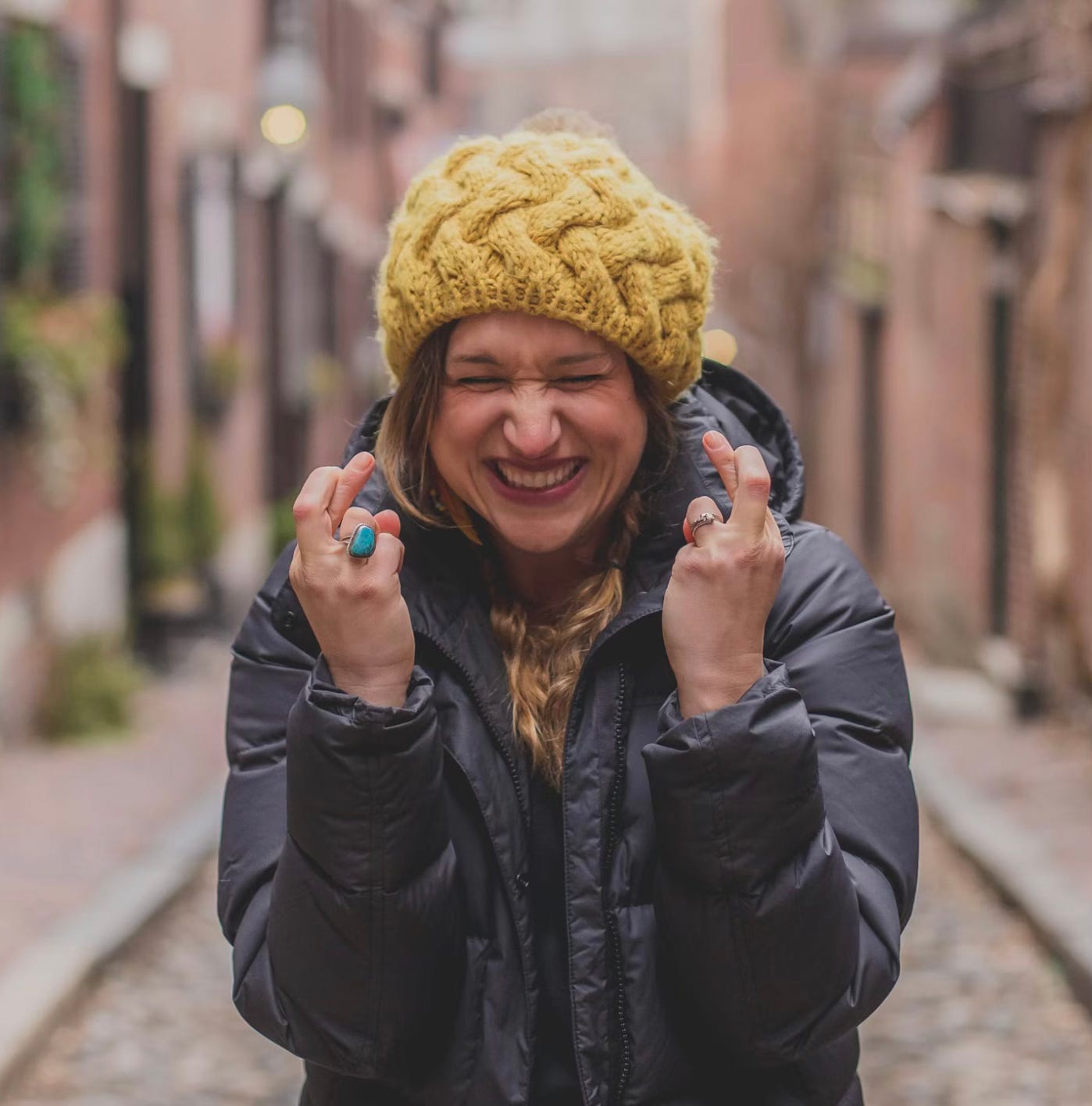
“I don’t want to give you false hope,” the medical assistant at the cancer clinic said to me last week, brow furrowed.
Wait.
What?
Pause the game.
Psychologists even have a label for “false hope.” They define it as a syndrome, akin to fetal alcohol syndrome or Raynaud’s syndrome.
According to Dan Tomasula, Ph.D., a champion of positive psychology, there are three key elements to what he calls “false hope syndrome”:
Repeatedly believing in unrealistic expectations
Feeling empowered to do something to change the problem even if it is unrealistic
Overconfidence from believing you’re in control of the situation even if you’re not
It’s common for allopathic medical doctors to insist that it’s wrong or bad to give their patients, especially people like me who are fighting extremely rare and difficult-to-clear cancers, “false hope.”
They then use their stated or unconscious fear of giving patients “false hope” to justify not using an off-label treatment, not trying something different if the treatment the patient is receiving isn’t working, or to dismiss a patient’s lived experience.
Addicted to negative thinking
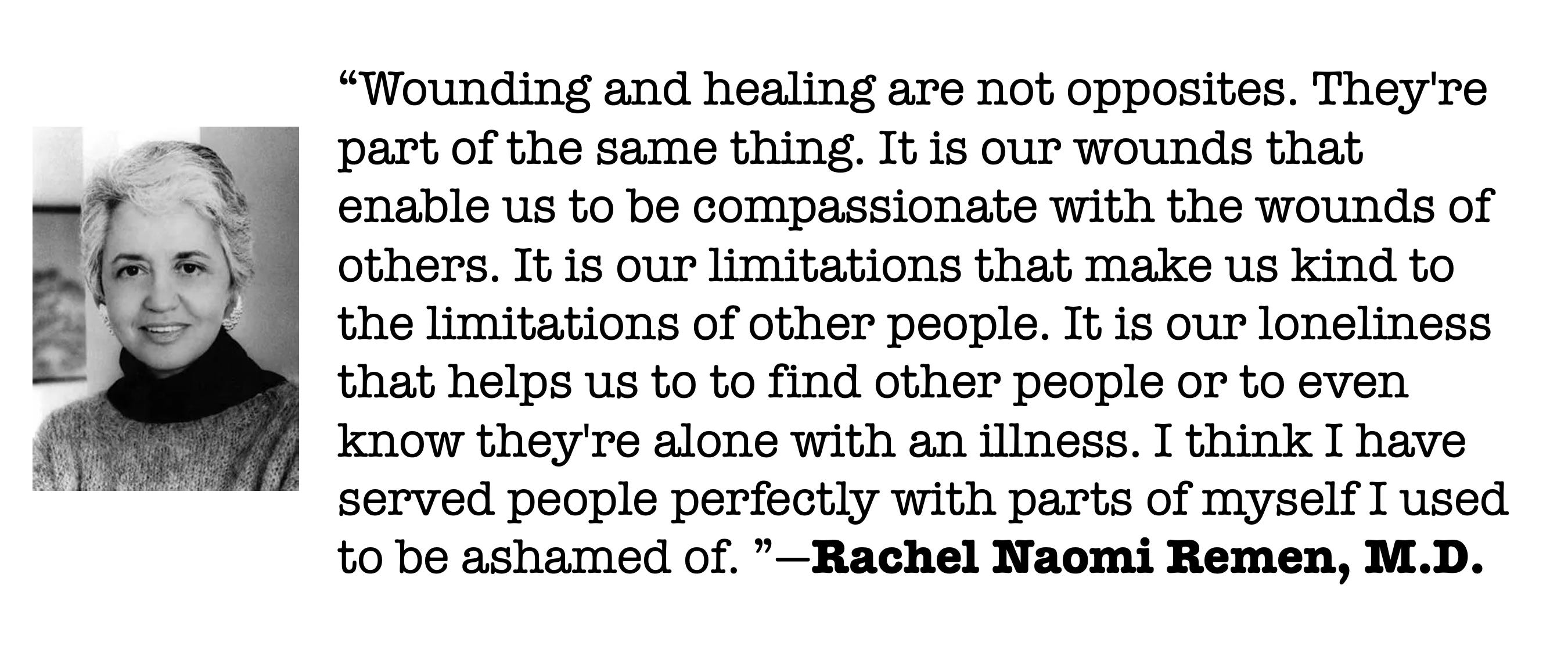
Rachel Naomi Remen, a medical doctor, oncology counselor, and academic, tells a story in her book Kitchen Table Wisdom, about a young man with “terminal cancer” who rejected his doctor’s recommendations, beat all the odds, and healed from the cancer nonetheless.
Some time later, Remen called the young man’s former oncologist to talk to him about this fascinating and wonderful outcome. The young man’s doctor was so flabbergasted that his patient did not die—as he had predicted—and was instead living his best life, that he hung up the phone on her.
She called him back several times.
He refused to talk to her.
That story illustrates, to me, just how addicted many people in the medical field are to their own negativity, lack of hope, and feelings of doom and gloom.
False hope? Yes, ma’am!
“There’s nothing wrong with giving me hope,” I insisted to the medical assistant, making a come-hither gesture with my hands. We both laughed. “What’s wrong with being hopeful? Bring it on! I need as much hope as I can get.”
Here’s the thing: none of us knows our expiration date but we all know that we have one. Furthermore, no one can predict the future—what works for one person may be a disaster for another. At the same time, some outside-the-box thinking combined with a determinedly optimistic point of view is often how we can get from the bad place that we are in right now to the good place where we want ourselves to be.
When things look really dire, what benefit is there to being “realistic”? If you want to get ontological about it, what is reality anyway?
Besides, there are measurable positive scientific benefits to the placebo effect, which may be the perfect way to reframe what experts want us to believe is “false” hope.
Think of it this way: If you are going to have a bad outcome, should you think terrible miserable downward spiraling thoughts and be as unhappy as possible until the “inevitable” happens?
Or might it serve you better to be optimistic and positive and imagine the future you want to embody, so that you are bathing your brain and body in positive emotions for the X amount of time you have left?
Joe Dispenza, author of Breaking the Habit of Being Yourself, says when you imagine every aspect of the future you want, you create that future in the quantum field, and you give the universe (or God or Mother Nature) the opportunity to give you the future you have imagined.
He’s been relentlessly criticized for saying this. As if it’s disturbing, unfair, or, in one hit piece writer’s words, “scary,” to empower people to think good thoughts, believe they can heal themselves, and imagine a better future for themselves and their families.
Because, you know, even when it works, it’s just a coincidence.
What do you lose in hoping for the best if you end up with the worst?
Let’s say the outcome turns out to be bad: you don’t get the job or the promotion you’ve been trying so hard for, your daughter doesn’t call you on Mother’s Day, the wonderful houseplants you had to leave behind for two weeks while you were on assignment die from lack of watering, or you succumb to a “terminal” illness like stage four metastatic breast cancer (me, I have stage four metastatic melanoma, yay!). Do you want to spend your time in a miserable state of anxious waiting, nonstop worrying, ruminating on your imminent demise, and utter misery, or do you want to be positive and hopeful (and write run-on sentences)?
Yes, we need to plan for possible bad outcomes.
Yes, we need to have all the hard conversations.
And, yes, the couples that sign prenuptial agreements (to protect themselves financially and otherwise in the event that they end up getting divorced) tend to have more stable marriages and are actually less likely to get divorced than couples that don’t.
I do believe in talking about the hard stuff. I do believe in advanced directives and plan Bs. And I do take exception with the people who call or text me and say things like:
“Just drink some hydrogen peroxide and your cancer will be cured!”
“Keep upping the dose of X, Y, Z ‘miracle cure’ and you’ll be better in a jiffy!” (Liver failure, side effects, and the fact that the person promoting said X, Y, or Z is getting financial kickbacks for doing so be damned.)
“OMG, my friend is completely NED because she did ____! [an allopathic treatment you’ve been on that does not work for you but does cause terrible side effects.] All you need to do is read these ten [AI-generated industry-sponsored] links and you’ll see why it works!”
(This happens much more often than you may think. I know these people always mean well. Maybe some are reading this post. But it’s not helpful to send a visually impaired cancer-addled science writer your exclamation-pointed miracle cure, especially when you haven’t talked to her in months, she hasn’t asked for your advice, she cannot click on the above-mentioned industry-sponsored links without experiencing severe eye strain, and has likely tried said miracle cure already. Don’t send texts like this. Do call your friend and tell her these five words. Do show up in person. Do offer them this medicine. These are the things that help. Not AI.)
Too-good-to-be-true stories aside, sometimes all we have is hope. Hope is a beautiful thing. It increases your resilience in the face of a chronic or debilitating disease. Scientists from the Brookings Institute have found that there is a “strong link” between hope and better current and future outcomes. Iranian researchers have found that changing your thinking results in more hope and less depression, stress, and anxiety, and can even reduce pain associated with cancer.
Have hope.
Be optimistic.
Dream big.
Me, I believe in hope.
About the author:
Jennifer Margulis, Ph.D., is an award-winning science writer and book author. She has taught post-colonial literature to non-traditional students in inner-city Atlanta; performed the cancan in Middlebury, Vermont; and appeared live on prime-time television in Paris, France. An internationally known advocate for medical freedom, gentle parenting, bodily autonomy, and natural health, she taught for a year as a Fulbright grantee in Niger, West Africa; has em-ceed a conference on the safety concerns of the HPV vaccine in Copenhagen, Denmark; and taught writing in Lucca, Italy.
Related articles:
The Disgusting Thing That Happened to Me This Morning
The Most Dangerous Article Ever Written
Why This Doctor is Convinced He Knows What’s Causing Autism. And, Yes, He Has Proof
“May your choices reflect your hopes, not your fears.”
Nelson Mandela
All day, every day 👆🏻
Best healing wishes Jennifer 💚
A long time ago, someone once said to me that hope is for the hopeless. I pondered that on many different occasions and came up with this: I may now and again go sleeveless or maybe even braless; I have often been sleepless ( a home birth midwife's natural state); sometimes feel penniless (which, I know is not the case, I have so much for which to be grateful) and as a vegan, I have no problem going meatless. I am definitely relentless, try not to be tactless, am rarely, if ever, speechless. I WISH I was fearless ( within limits). All this having been said, I will never never never be hopeless: that my daughter will leave the cult she has been in for 25 years, that the plaque in my husband's brain causing the dementia will evaporate; that I will bump into an old love someday when I least expect to ( of course, on a day when I have carefully applioed just the right amount of makeup and my hair looks fabulous) and that the chocolate I just ate (dark, yes) wont put even an ounce on me - it goes on...!!!